Aviation Switching Module – NSN 4920-01-250-2696 (AS-IS / Untested): Aerospace Switching Unit for Professional Inspection
Aviation Switching Module – NSN 4920-01-250-2696 (AS-IS / Untested): Aerospace Switching Unit for Professional Inspection
Blog Article
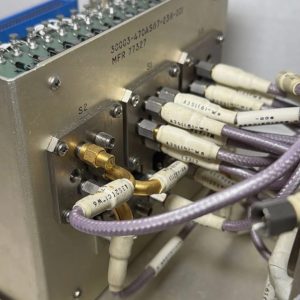
The Aviation Switching Module – NSN 4920-01-250-2696 (AS-IS / Untested) should be purchased with the understanding that no operational, calibration, serviceability, compatibility, or installation guarantee is being made.
The Aircraft Switching Module offers potential maintenance or restoration value, while the Aerospace Switching Module must be inspected for condition, completeness, modification, and read more storage-related deterioration.
Every Aircraft Power Switching Module or Aircraft Signal Switching Module should be assessed individually because connectors, voltage, current, control logic, and system compatibility can vary significantly.
The Aviation Control Module may be associated with a larger Aircraft Electronic Switching System, while the Aerospace Switching Unit and Aircraft Electrical Module should be inspected before connection or installation.
Identifying the Aerospace Switching Unit
The seller should provide clear photographs of every label, marking, connector, switch, control, mounting point, enclosure surface, and included accessory.
Military or aviation-surplus components may carry replacement numbers, superseded numbers, modification markings, or contract identifiers that assist research.
Understanding AS-IS and Untested Condition
The buyer should plan for professional inspection, troubleshooting, repair, parts replacement, or display-only use.
Bench testing should begin only after technical documentation, circuit protection, connector identification, and safe power requirements are established.
Evaluating Aircraft Switching Functions
A module used with maintenance equipment may function differently from one installed onboard an aircraft.
External controls may include switches, selectors, indicators, circuit positions, covers, labels, or connection ports depending on the exact configuration.
Aerospace Switching Module Construction
The module may have been designed for vibration, transportation, storage, maintenance, or aerospace operating environments, but present performance should not be assumed.
Unknown connectors should not be forced into visually similar plugs.
Aircraft Electrical Switching Module Inspection
External condition cannot confirm the state of hidden relays, contacts, circuit boards, wiring, or internal components.
If the enclosure is opened for professional inspection, the process should be documented with photographs and organized hardware control.
Choosing an Aviation Electrical Control Module
Professional research should occur before any attempt to connect the Aviation Electrical Control Module.
Careful preservation supports future study and accurate Aviation Electrical Control Module documentation.
Power Switching Module Inspection
A switch that moves normally may still contain burned, corroded, welded, or high-resistance electrical contacts.
Missing covers or barriers may expose conductive points and increase handling risk.
Aerospace Electrical Control Unit Evaluation
Visual inspection, continuity checks, insulation review, component identification, and controlled testing may form part of a professional evaluation.
A common-looking relay, switch, resistor, connector, or wire may not be an acceptable substitute.
Aviation Signal Routing Equipment
Qualified evaluation supports responsible Aircraft Signal Switching Module use.
Shielding, grounding straps, connector shells, cable clamps, and enclosure bonding can influence signal performance where included in the original design.
Choosing an Aviation Control Module
Associated wiring, power supplies, interfaces, switches, displays, sensors, test sets, or aircraft equipment may be required for meaningful operation.
A matching NSN or housing does not always confirm identical internal configuration when modifications or supersessions exist.
Aircraft Test and Support Equipment
Detailed condition reporting supports fair commercial evaluation.
Training use should avoid destructive modifications when the component has collectible or restoration value.
Aerospace Circuit Management
A module should not be loaded electrically until contact condition, insulation, wiring, and circuit configuration are understood.
The original installation orientation should be researched where possible.
Aircraft Module Functional Evaluation
The unit should be photographed before and after any preservation work.
Functional evaluation should proceed in stages, beginning with research and non-powered inspection before controlled electrical testing.
Choosing an Aviation Power Control Module
An Aviation Power Control Module can have specialized applications within aircraft systems, aerospace ground equipment, maintenance platforms, or test installations.
Technicians should inspect for capacitors, transformers, relays, damaged insulation, or hazardous residues before opening or testing the unit.
Electronic Switching Module Applications
System diagrams can help identify required inputs, outputs, grounds, control logic, and companion components.
Intermittent switching problems can result from worn contacts, damaged connectors, corrosion, weak relays, cracked solder joints, unstable power, or harness faults.
Long-Term Storage of Aircraft Electronics
Desiccant or moisture-control materials should not contact electrical components directly unless appropriate.
Insured and trackable transportation supports responsible sales of specialized aviation hardware.
Commercial Inspection of an Electrical Module
The potential cost of connectors, manuals, test equipment, repairs, components, and specialist labor should be included in the buying decision.
Unknown information should remain clearly identified as unknown.
Inspecting the Aviation Switching Module Before Purchase
The seller should disclose corrosion, missing parts, broken controls, damaged connectors, previous repairs, opened seals, burned areas, contamination, and signs of impact.
- Verify the module identity through its NSN, data plate, physical configuration, connector arrangement, and available technical references.
- Arrange qualified technical evaluation whenever condition, internal status, or testing requirements remain uncertain.
- Report shipping damage, missing accessories, identification differences, undisclosed repairs, or altered condition promptly.
Evaluating an Untested Electrical Module
The module should not be powered until input requirements, polarity, grounding, circuit protection, and expected loads are understood.
Powered testing should proceed gradually while monitoring current, temperature, smell, noise, indicators, and unexpected behavior.
Aerospace Module Component Replacement
Original labels, wiring routes, fasteners, finishes, and component locations should be preserved whenever practical.
Every repair should record the date, technician, fault found, parts replaced, measurements, testing performed, and remaining limitations.
Buying NSN 4920-01-250-2696
The Aviation Switching Module – NSN 4920-01-250-2696 (AS-IS / Untested) offers stronger commercial appeal when its markings, controls, connectors, enclosure, accessories, history, and limitations are documented accurately.
The strongest buying decision begins with confirming the NSN, manufacturer, part number, serial number, configuration, connector layout, condition, storage history, modification status, included equipment, and intended use.
Whether buyers need an Aircraft Power Switching Module, Aerospace Electrical Control Unit, Aircraft Signal Switching Module, or Aviation Control Module, electrical specifications should be verified before testing.
With transparent condition reporting, secure shipping, controlled testing, appropriate repair methods, and accurate records, the unit can support a professional aerospace project.
Report this page